
Smoke & CO Detector Installation by a Residential Electrician in Clearwater, FL
Hardwired, interconnected smoke and carbon monoxide detectors installed to Florida Building Code. When one sounds, they all sound.
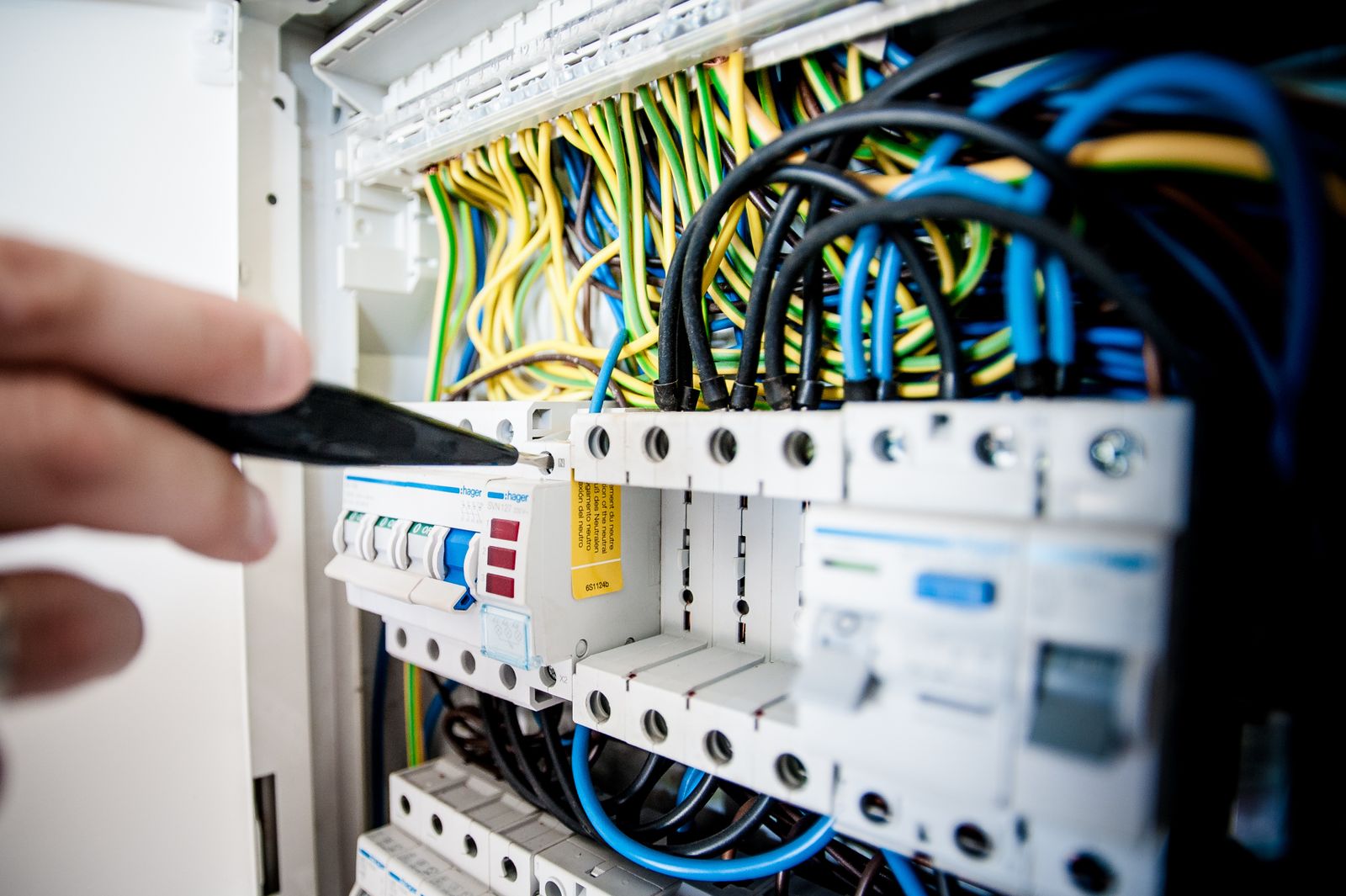
Clearwater Electric installs hardwired, interconnected smoke and carbon monoxide detectors throughout Clearwater and Pinellas County homes. Our installations meet current Florida Building Code requirements with battery backup for power outage coverage. We handle detector placement, wiring, and interconnection so that every unit in the house triggers simultaneously. Call (727) 558-4636 to schedule.
Your Detectors Might Not Do What You Think They Do
Walk through most Clearwater homes built before 2000 and you'll find battery-only smoke detectors — round white discs screwed to the ceiling, each operating independently. If the one in the guest bedroom triggers at 2 AM, the one outside your master bedroom stays silent. You sleep through it.
That's the critical flaw with battery-only detectors. They don't talk to each other. A fire starting in a laundry room or garage can reach dangerous levels before the alarm closest to your bedroom activates. By that point, the hallway may already be filled with smoke.
Hardwired interconnected detectors solve this. When any one detector senses smoke or CO, it sends a signal through the wiring to trigger every detector in the house simultaneously. The alarm in the attic trips the alarm outside your kids' bedrooms. You hear it immediately, from anywhere in the house.
When Did You Last Check Your Detectors?
If they're older than 10 years, battery-only, or you can't remember — call us. We'll assess what you have and quote what you need.
Call (727) 558-4636What Florida Building Code Says About Detectors
Florida Building Code follows the National Fire Protection Association (NFPA) 72 standard. The requirements are specific:
- Smoke detectors in every bedroom — each sleeping room gets its own detector, mounted on the ceiling or high on the wall.
- Smoke detectors outside sleeping areas — at least one detector in the hallway or common area immediately outside bedrooms.
- Every level of the home — including basements, bonus rooms above garages, and any habitable attic space.
- Hardwired with battery backup — required for new construction and any renovation that involves pulling an electrical permit.
- Interconnected — all detectors must be wired together so that when one triggers, every detector in the home sounds.
- CO detectors near fuel-burning appliances — required in new construction when the home has gas appliances, a fireplace, or an attached garage.
If your home was built before these requirements took effect, you're not legally required to retrofit — until you do work that needs a permit. But code or not, the safety gap between a handful of battery detectors and a full hardwired system is significant. Most homeowners who hear the difference choose to upgrade.
Where CO Comes From in a Clearwater Home
People associate carbon monoxide with cold-weather heating, but Florida homes have their own CO sources that most homeowners don't think about:
- Gas water heaters — very common in Clearwater homes, especially those on TECO gas service. A cracked heat exchanger or a blocked flue vent pushes CO into the house instead of exhausting it outside.
- Portable generators — during hurricane season, Clearwater homeowners fire up portable generators in garages, carports, and too-close-to-the-house patios. Generator exhaust is the single largest source of CO poisoning deaths in Florida during storms.
- Gas ranges and ovens — a gas range produces CO during normal operation. Small amounts dissipate in a ventilated kitchen. A range with a malfunctioning burner or poor venting can produce dangerous levels.
- Attached garages — a running car in an attached garage pushes CO through the shared wall, even with the garage door open. This is why Florida code now requires CO detectors in homes with attached garages.
- Pool heaters — gas-fired pool heaters near the home's air intake can send exhaust back into living spaces, especially when wind direction shifts.
CO is colorless and odorless. By the time you notice symptoms — headache, dizziness, nausea — exposure is already significant. A $40 detector mounted in the right spot catches it before you feel anything.
Detectors Save Lives When They Work
Hardwired, interconnected, properly placed, and current on their replacement date. That's what makes the difference. Call and we'll get your home covered.
Call (727) 558-4636What a Full Detector Installation Looks Like
Walk-Through Assessment
We inspect your current detectors — brand, age, type (ionization vs. photoelectric), and whether they're interconnected. We map every bedroom, hallway, and level of the home against code requirements to identify where new units are needed.
Wiring and Interconnection
For homes without existing detector wiring, we run new circuits from your panel and connect each detector to a shared interconnect wire. In attic-accessible homes — common in Clearwater's single-story ranch builds — this wiring runs through the attic with minimal wall penetration.
Detector Mounting and Testing
Each detector mounts to the ceiling at the code-specified distance from walls and corners. After installation, we test every unit individually and confirm that triggering any single detector activates every other detector in the house.
Homeowner Walkthrough
We show you where every detector is, how to test them monthly, how to silence a false alarm, and when each unit is due for replacement. We label each detector with its installation date so you never have to guess.
Other Home Safety Electrical Services
- Whole-Home Surge Protection — protect your detectors and every other device from lightning-induced voltage spikes that can damage detector circuitry.
- Electrical Panel Upgrades — detector wiring ties into your panel. If your panel is outdated or at capacity, an upgrade ensures clean, reliable power to your safety systems.
- Generator Installation — a standby generator keeps your hardwired detectors and their battery chargers running during extended power outages.
- Whole-House Rewiring — if your home needs a full rewire, adding detector circuits during the rewire is far more efficient than running them separately later.
Smoke & CO Detector Questions for Clearwater Homeowners
Florida doesn't mandate CO detectors statewide the way some northern states do, but the Florida Building Code requires them in new construction and major renovations when the home has fuel-burning appliances or an attached garage. Even if your home doesn't technically require them, any house with a gas water heater, gas range, or a portable generator used during hurricane season should have CO detection.
Battery-only units run independently — when one goes off, the others stay silent. Hardwired detectors wire into your home's electrical system and interconnect, so when one triggers, every detector in the house sounds. Florida code requires hardwired interconnected detectors for new construction and any work that requires a permit. Battery backup keeps them working during a power outage.
The National Fire Protection Association says every 10 years for smoke detectors and every 5 to 7 years for CO detectors. The manufacturing date is printed on the back of each unit. If yours are older than that — or if you don't know when they were installed — it's time. The sensors degrade with age, and a 12-year-old detector may not respond fast enough to save your life.
Florida code requires a smoke detector inside every bedroom, outside each sleeping area in the hallway, and on every level of the home. CO detectors go near sleeping areas and near any fuel-burning appliance. We follow the manufacturer placement guidelines and local code to make sure every unit is positioned where it'll detect a problem earliest.
False alarms are usually caused by one of three things: the unit is past its replacement date and the sensor is degrading, it's too close to a kitchen or bathroom where cooking steam and shower humidity trigger it, or insects have gotten into the sensing chamber. Relocating the unit or replacing an aging detector usually solves it. We can assess which units need attention.
Get Your Home's Detectors Right
Hardwired, interconnected, code-compliant smoke and CO detectors installed by a licensed Clearwater electrician. Call now for same-day scheduling.
Call (727) 558-4636