
Generator Installation by a Residential Electrician in Clearwater, FL
Whole-home standby generators with automatic transfer switches. Generac, Kohler, and Briggs & Stratton installed with full permitting and inspection.
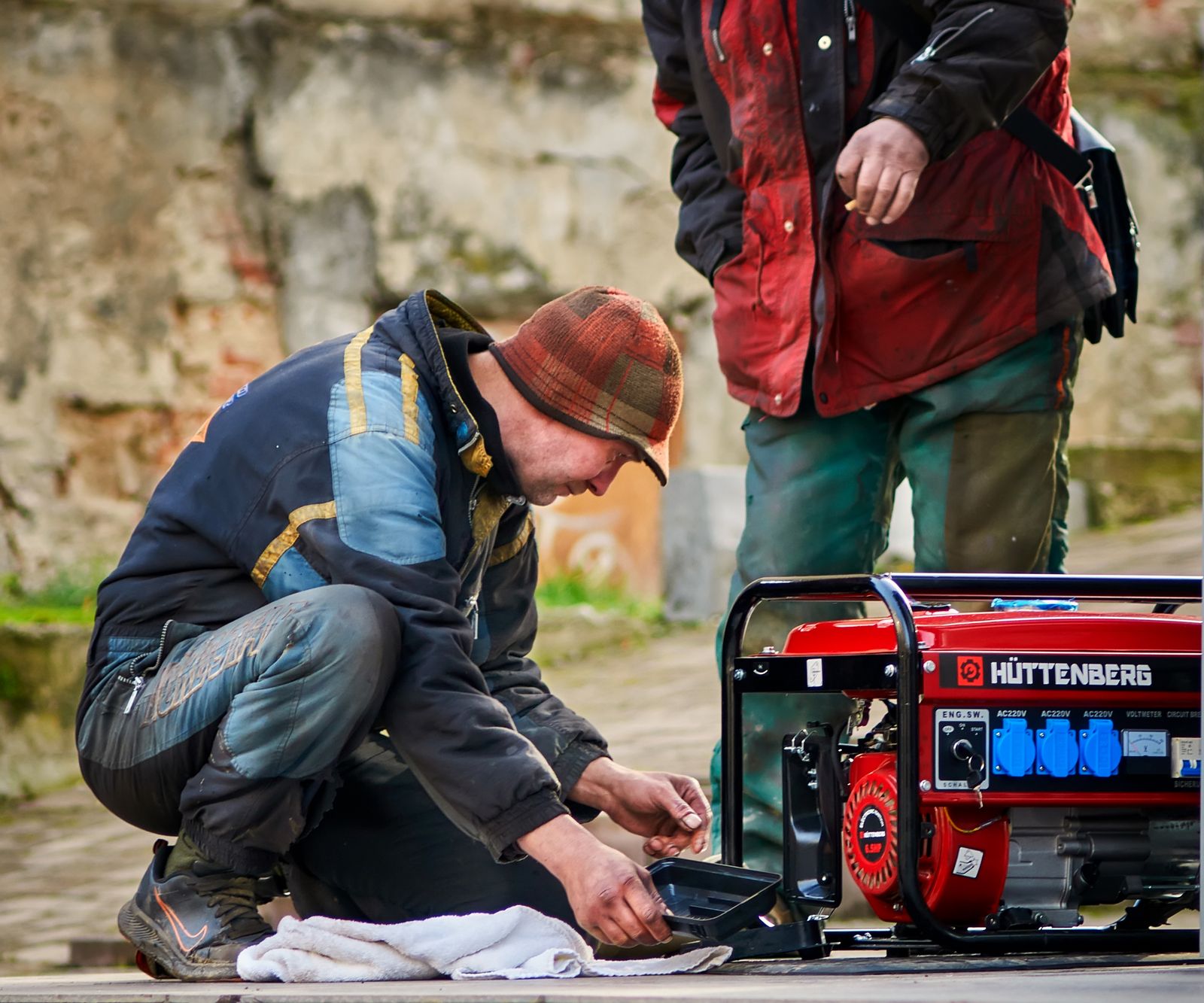
Clearwater Electric installs standby generators from Generac, Kohler, and Briggs & Stratton at homes throughout Clearwater and Pinellas County. Every installation includes an automatic transfer switch, a poured concrete pad, gas line connection (natural gas or propane), and full permitting through the City of Clearwater. The generator starts itself when the power goes out — no manual startup, no extension cords. Call (727) 558-4636 for a sizing consultation.
Six Months of Hurricane Season, No Guarantee of Power
Pinellas County is a peninsula on a peninsula. When a major storm crosses the Gulf, there's no buffer zone — the wind, rain, and storm surge hit the coast directly. Duke Energy crews work fast after storms, but restoration follows a triage pattern: hospitals and critical infrastructure first, then main distribution lines, then neighborhood feeders, then individual service drops.
If you live in Clearwater Beach, Island Estates, Belleair, or any of the barrier-island and waterfront communities, you're typically at the end of that restoration queue. After Hurricane Irma in 2017, parts of Pinellas County waited 10 days for power. During that time, temperatures inside homes without AC climbed past 95 degrees within hours.
A portable generator and a few extension cords might keep a fridge and a box fan running. But a standby generator keeps your entire home operational — air conditioning, lights, refrigerator, well pump, medical equipment, security system, even your EV charger. It starts automatically within seconds of an outage and runs until the utility restores power, whether that's two hours or two weeks.
Don't Wait Until the Next Storm Warning
Generator demand spikes every hurricane season. Lead times for units and installation stretch from weeks to months during storm season. Call now to get ahead of it.
Call (727) 558-4636Whole-Home vs. Essential-Circuit Backup
Not every home needs a generator that powers everything. Here's how to think about it:
Essential-Circuit Backup (14kW-16kW)
Powers the circuits that matter most: central AC (the non-negotiable in Clearwater), refrigerator, lighting, well pump, a few outlets, and your security system. The transfer switch is wired to a dedicated sub-panel containing only these critical circuits. Lower fuel consumption, smaller footprint, lower cost.
Good for: homes under 2,000 sq ft, homeowners who want storm coverage without a full-house investment, properties with smaller yards where a compact unit fits better.
Whole-Home Backup (22kW-48kW)
Powers everything in the house — every outlet, every appliance, pool pump, dryer, range, EV charger, home office. The transfer switch connects directly to your main panel. During an outage, your home functions exactly as it does with utility power. Higher fuel consumption, but complete coverage.
Good for: larger homes, families with medical equipment, home offices that can't afford downtime, homeowners who want the outage to be invisible.
Natural Gas, Propane, or Diesel: Which Fits Your Property
The fuel source shapes the generator's cost, runtime, and maintenance schedule. In Clearwater, the choice usually comes down to whether your home already has natural gas service.
- Natural Gas (TECO) — runs directly from your existing gas meter. No fuel tank, no refueling logistics. The generator runs as long as the gas utility has pressure, which rarely fails even during major storms. Slightly less power output per unit of fuel than propane, but the unlimited supply more than compensates. Most Clearwater installations use natural gas when it's available.
- Propane (LP) — requires a buried or above-ground tank, typically 250 to 500 gallons for a home standby. A full 500-gallon tank runs a 22kW generator at half load for roughly 4 to 5 days. Works for homes without gas service — common in rural parts of north Pinellas County and unincorporated areas near East Lake and Palm Harbor.
- Diesel — less common for residential, but some homeowners prefer diesel for its fuel efficiency and long engine life. Diesel generators are louder and require a fuel tank on-site. We install diesel units when the homeowner specifically requests them, but for most Clearwater homes, natural gas or propane is the better fit.
Your Neighbors Lost Power for 10 Days Last Time
A standby generator starts itself in seconds and runs until the utility comes back. Call now and get it installed before the next storm season.
Call (727) 558-4636Generator Installation Step by Step
Load Calculation and Sizing
We calculate the total electrical load of every circuit you want to back up — AC tonnage, water heater, kitchen appliances, pool equipment — and match it to the right generator size. Oversizing wastes money. Undersizing means the generator stalls under load. We get the math right.
Site Selection and Permitting
The generator needs to sit on a level concrete pad with proper clearance from windows, property lines, and the gas meter. Clearwater and Pinellas County have specific setback requirements. We handle the permit applications for electrical, gas, and building — and schedule all inspections.
Pad, Placement, and Gas Line
We pour or place a reinforced concrete pad, set the generator, and run the gas line from your meter or propane tank to the unit. A licensed gas technician handles the fuel connection, pressure testing, and final inspection.
Transfer Switch and Electrical
The automatic transfer switch installs next to (or replaces) your main electrical panel. We wire the transfer switch to monitor utility power and control the generator. For essential-circuit setups, we wire a separate sub-panel with only the circuits you want backed up.
Startup Testing and Walkthrough
We simulate a utility outage to verify the generator starts, the transfer switch engages, and the selected circuits receive power. Then we set the unit's weekly self-test schedule — the generator runs a brief test cycle once a week to keep the engine ready and alert you to any maintenance needs.
Electrical Work That Pairs with Generator Installation
- Electrical Panel Upgrades — a generator tied to an undersized panel creates problems. If your panel is 100 amps or has a Federal Pacific or Zinsco breaker box, upgrading it alongside the generator makes sense.
- Whole-Home Surge Protection — power restoration after an outage often comes with a voltage spike. A panel-mounted surge protector catches that spike before it reaches your appliances.
- Smart Home Wiring — many modern generators integrate with home automation systems for remote monitoring and control from your phone.
- Smoke & CO Detectors — generators produce exhaust. Properly installed CO detectors near the generator pad's closest wall and inside the home are a critical safety layer.
Generator Installation Questions from Clearwater Homeowners
A whole-home standby generator (including the unit, automatic transfer switch, concrete pad, and installation) typically ranges from $6,000 to $15,000 depending on the generator size and fuel source. A 22kW Generac running on natural gas falls in the middle of that range for most Clearwater homes. We provide a written quote that covers everything — unit, installation, pad, gas line connection, and permitting.
That depends on what you want to power during an outage. A 14kW to 16kW unit covers the essentials — AC (critical in Florida), refrigerator, lights, well pump, and a few circuits. A 22kW to 24kW unit powers the entire house, including the range, dryer, pool pump, and EV charger. We do a load calculation based on your actual panel to size it correctly.
If your Clearwater home already has a TECO natural gas line, natural gas is usually the better choice — unlimited fuel supply, no tank to refill, and lower per-hour fuel cost. Propane works for homes without gas service. A buried 500-gallon propane tank provides roughly 4 to 5 days of run time for a 22kW generator at typical load. We install both types.
Yes. Generator installation requires both an electrical permit (for the transfer switch and wiring) and often a building or mechanical permit (for the gas line and pad). We handle all permitting through the City of Clearwater or Pinellas County, schedule the inspections, and make sure everything passes before we consider the job complete.
The transfer switch monitors your utility power 24/7. When it detects an outage, it signals the generator to start — usually within 10 to 30 seconds. Once the generator is running at stable voltage, the switch transfers your home's electrical load from the utility to the generator. When utility power returns and holds steady, it transfers back and shuts the generator down. You don't have to touch anything.
A typical standby generator installation in Clearwater takes 1 to 2 days. Day one covers the concrete pad, generator placement, and gas line work. Day two is the electrical — transfer switch installation, wiring, and testing. Permitting and inspections may add a few days to the overall timeline, but the hands-on work is usually two days or less.
Keep Your Home Running When the Grid Goes Down
Standby generator installation in Clearwater — from load calculation to final inspection. Licensed electricians, full permitting, one call to start.
Call (727) 558-4636