
Emergency Electrician in Clearwater, FL: Storm & Hurricane Electrical Damage Repair
Clearwater has been hit by Irma, brushed by Ian, and battered by countless tropical storms. When the wind stops, the electrical damage starts showing up. Call before you flip a single switch.
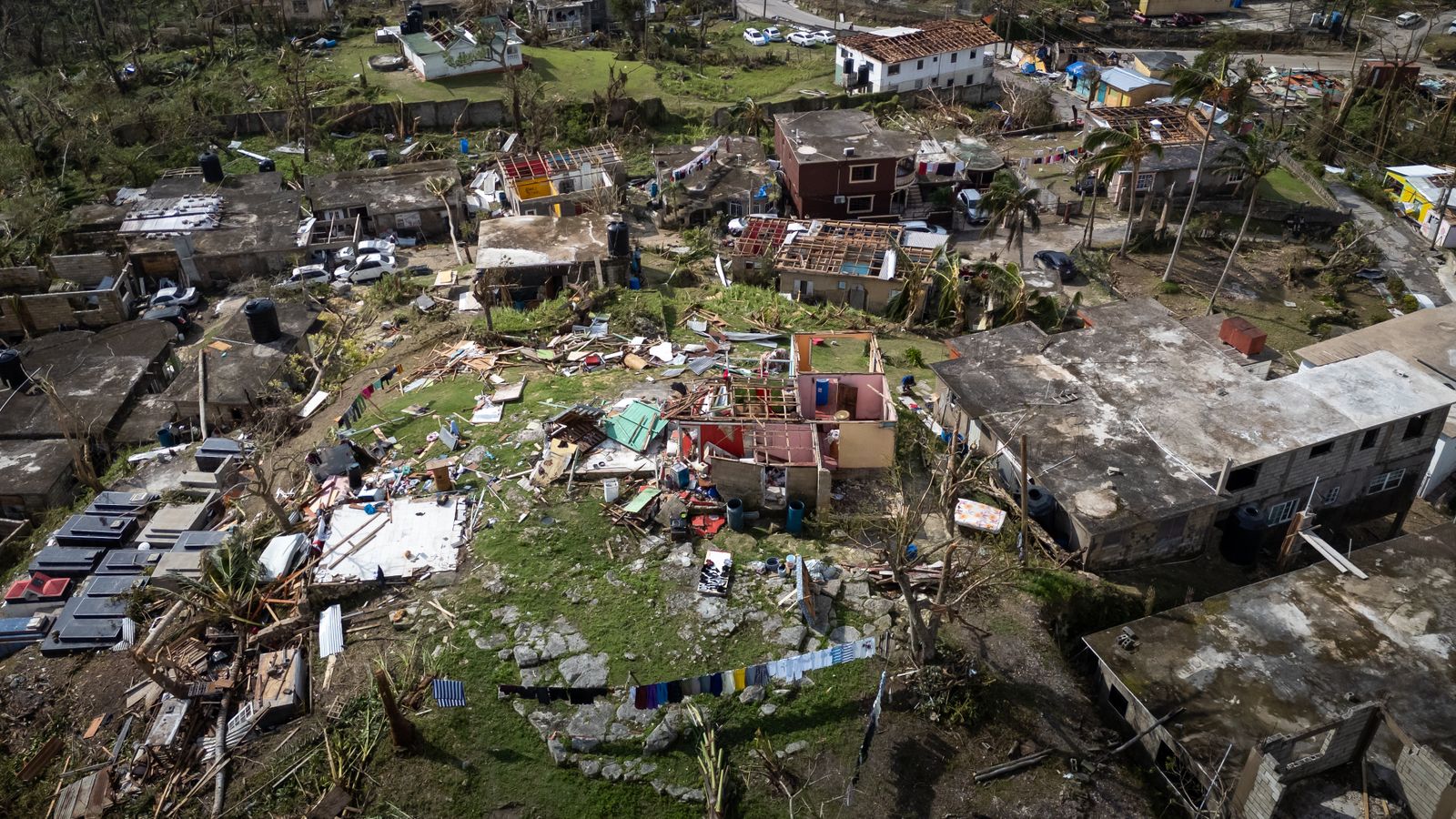
Clearwater Electric provides post-storm and hurricane electrical assessment, repair, and full restoration for homes across Clearwater and Pinellas County. We repair downed service lines, water-damaged panels, broken weatherheads, destroyed meter bases, and storm-exposed wiring — with complete documentation for your insurance claim. Call (727) 558-4636 as soon as it is safe to assess damage.
Do Not Restore Power Until Your System Is Inspected
The most dangerous moment after a hurricane is not during the storm. It is when people come home, flip the main breaker, and energize a system full of water, damaged connections, and compromised insulation.
Hurricane Irma in 2017 drove storm surge into thousands of Pinellas County homes. Electrical panels that sat in two feet of saltwater looked intact from the outside, but the bus bars, breaker contacts, and wiring terminations inside were corroded and compromised. Homes that restored power without inspection had arcing faults, melted wires, and in several cases, electrical fires within days of the storm.
Hurricane Ian in 2022 brought a different type of damage — sustained wind that ripped weatherheads off rooftops, snapped service entrance conduits, and pulled meter bases away from exterior walls. Even homes outside the flood zone had structural electrical damage that was not visible from the street.
If your home was in the path of any tropical event, have the system inspected before restoring power. The inspection takes less than an hour. The consequences of skipping it are serious.
Storm Damage? Do Not Flip That Breaker.
A water-damaged panel can arc, melt, or start a fire the moment it is energized. Call for a post-storm assessment first.
Call (727) 558-4636Types of Storm Electrical Damage We Repair
Weatherhead and Mast Damage
The weatherhead sits at the highest point of your service entrance — the top of the conduit on your roof where Duke Energy's lines connect to your home. Hurricane-force winds can bend the mast, snap the conduit, pull the weatherhead loose from the roof, or yank the utility lines free. When this happens, your home loses its connection to the grid, and the exposed cable ends become a live-wire hazard until the utility disconnects.
Meter Base Damage
Meter bases take a beating in storms. Flying debris can crack the enclosure. Flooding fills it with water. Wind-driven movement of the service conduit can break the connections inside. A damaged meter base often has to be replaced entirely — Duke Energy will not reconnect your meter to a compromised base, and they should not.
Water-Damaged Panels
A panel that has been submerged or soaked by wind-driven rain is not salvageable through cleaning. Saltwater is especially destructive — it corrodes copper and aluminum connections within hours. Even freshwater leaves mineral deposits on breaker contacts that create high-resistance connections, which overheat under load. A water-damaged panel needs full replacement, along with inspection of every circuit it feeds.
Downed Service Lines
A tree branch through the service drop, a snapped utility pole, or wind pulling the lines off the weatherhead — any of these leaves your home disconnected. The utility handles their side of the line. Everything from the weatherhead to the panel is your responsibility. We repair and rebuild the homeowner-side connection and coordinate the timing with Duke Energy so your power is restored as soon as both sides are ready.
Interior Water Intrusion
A roof breach or window failure during a storm can drive rain into walls, attics, and ceilings where electrical wiring runs. Wet insulation around wiring creates ground fault paths. Water in junction boxes corrodes connections. And if the home has older wiring with cloth insulation — common in pre-1970 Clearwater houses — the water damage is even more destructive because the insulation absorbs moisture and loses its dielectric properties.
Post-Storm Assessment and Repair
Safety and Damage Assessment
We inspect the entire electrical system from the utility connection point to the last outlet in the house. Every component gets checked: weatherhead, mast, meter base, service entrance cable, main panel, sub-panels, and any circuits in areas that took water damage. We photograph everything for your insurance documentation.
Immediate Hazard Mitigation
If we find live-wire hazards, arcing connections, or water in energized equipment, we secure it immediately. This may mean disconnecting the service, isolating damaged circuits, or coordinating with Duke Energy to de-energize the line.
Repair Plan and Insurance Documentation
You get a detailed written scope of work with itemized costs. We produce the documentation your insurance adjuster needs: dated photographs, descriptions of damage cause and extent, and repair specifications. This speeds up your claim and reduces back-and-forth with the adjustor.
Repair and Restoration
We pull permits, make the repairs, and coordinate with Duke Energy for reconnection. Once the work is done and passes county inspection, we restore power to your home and test every circuit to confirm full operation.
We Work With Your Insurance
Complete photo documentation, itemized repair estimates, and repair specifications in the format adjusters expect. We make the claim process easier, not harder.
Call (727) 558-4636Hurricane Season Prep for Your Electrical System
Hurricane season runs June through November. The time to find a weak weatherhead, a corroded meter base, or a deteriorating service entrance cable is before the wind starts, not after. Here is what we check during a pre-season electrical inspection:
- Weatherhead and mast: Is the mast securely attached to the roof? Is the conduit intact? Are the utility connection points tight?
- Service entrance cable: Is the insulation cracked or deteriorating? Are the connections at the meter base and panel solid?
- Meter base: Any signs of water intrusion, rust, or corroded stabs? Is the enclosure sealed?
- Panel condition: Corroded bus bars, loose breakers, water stains inside the enclosure — all signs of a panel that will not survive a major storm
- Whole-home surge protection: Lightning accompanies every tropical storm. A panel-mounted surge protector saves your electronics and appliances.
- Generator and transfer switch: If you have a standby generator, the transfer switch needs annual testing. A generator that does not transfer automatically when the power drops is expensive decoration.
A pre-season inspection takes about an hour and costs a fraction of what post-storm emergency repairs run. Call (727) 558-4636 to schedule one before June.
Storm Damage Electrical Questions
Not until the system has been inspected. Storm damage can create hidden hazards — water inside the panel, damaged service entrance cable, or exposed wiring behind wet drywall. Energizing a water-damaged panel can cause arcing, electrocution, or fire. Call (727) 558-4636 for a post-storm inspection before restoring power to any part of your home.
Most standard Florida homeowners policies cover electrical damage from named storms and lightning strikes. We document everything — photographs, written descriptions of the damage, itemized repair costs — in a format insurance adjusters are familiar with. We do not file the claim for you, but we provide all the documentation your adjuster needs to process it quickly.
It depends on the scope. A broken weatherhead or damaged meter base can be repaired same-day. A full service entrance replacement with utility coordination typically takes one to two days. Extensive interior damage from water intrusion may require additional time for wiring repair or a panel upgrade. We give you a realistic timeline after the assessment.
Yes, if the repair involves the service entrance, meter base, or panel. The City of Clearwater and Pinellas County both require permits and inspections for these components. After major storms, the building department often sets up expedited permitting to speed up restoration. We handle the permit process so you do not have to.
Stay at least 35 feet away from the downed line and anything it is touching. A downed line can energize the ground around it, fences, metal gutters, and puddles. Call 911 and Duke Energy first. Once the utility has de-energized and removed their line, call us at (727) 558-4636 to assess and repair the damage on your side of the meter.
Schedule a pre-season inspection. We check your weatherhead attachment, service entrance cable condition, panel integrity, surge protection, and grounding. Loose weatherheads, corroded service cables, and deteriorating meter bases are much easier and cheaper to fix before the wind starts. We also check generator transfer switches for homeowners who have standby units.
Storm Damage? Call Before You Flip a Switch.
Post-storm electrical assessment and repair across Clearwater and Pinellas County. Licensed electricians dispatched 24/7.
Call (727) 558-4636