
Home Automation & Smart Wiring by a Residential Electrician in Clearwater, FL
Structured wiring, smart switch installation, network cabling, and whole-home automation prep. Built by electricians, not IT guys with a ladder.
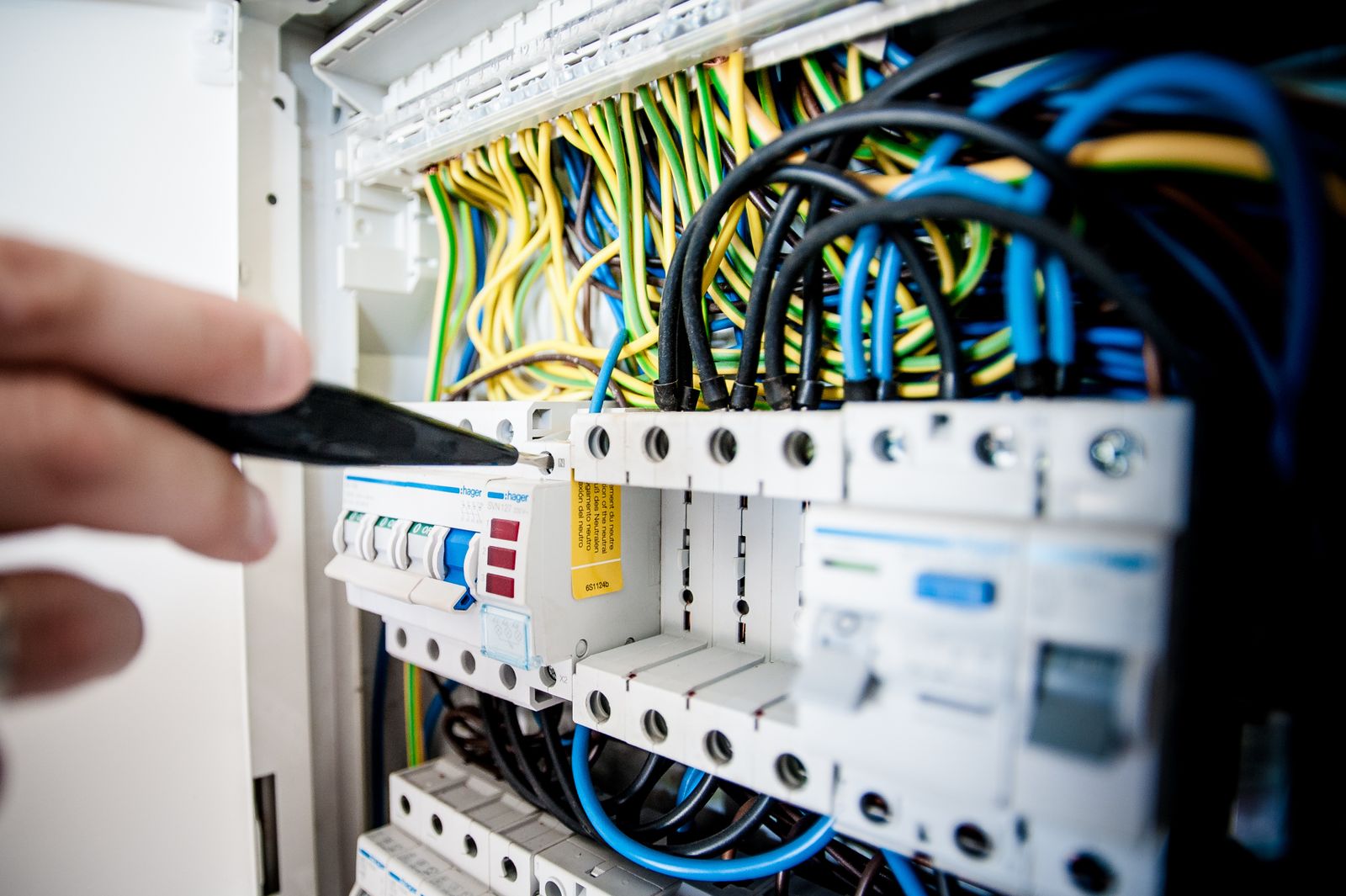
Clearwater Electric handles the electrical side of smart homes — structured wiring (Cat6, coax, speaker), smart switch installation (Lutron, Control4, Leviton), neutral wire additions for older homes, and whole-home automation prep for Clearwater and Pinellas County residences. We do the wiring and switching that makes automation systems actually work. Call (727) 558-4636 to discuss your project.
Smart Devices Are Only as Good as the Wiring Behind Them
Most homeowners start their smart home by buying a few smart bulbs or a voice assistant. That works fine at first. Then comes a smart thermostat, a few smart switches, a video doorbell, a couple of cameras, a smart lock, and suddenly the house has 25 Wi-Fi devices fighting for bandwidth on a router that was designed for 10.
The result: switches that take three seconds to respond, cameras that buffer, a thermostat that drops offline, and voice commands that time out. The devices aren't broken — the infrastructure behind them is.
A properly wired smart home separates the high-bandwidth devices onto hardwired connections, puts smart switches on a dedicated bridge or hub, and ensures every switch box in the house has the neutral wire that most smart switches require. That's electrical work, not app configuration.
Smart Home Frustrations? It's Probably the Wiring
Tell us what's not working and what you want your home to do. We'll figure out what wiring needs to change to make it happen.
Call (727) 558-4636Why Clearwater's Older Homes Resist Smart Switches
Here's the issue that stops most DIY smart switch projects cold: the switch box doesn't have a neutral wire.
In homes built before the mid-1980s — and Clearwater has thousands of them, from the ranch-style builds around Harbor Oaks and Skycrest to the block homes in Clearwater Shores — electricians ran only a hot wire and a switch leg to the switch box. That was code-compliant at the time. There was no reason to pull a neutral to a switch that didn't need one.
Modern smart switches need that neutral wire. It provides the constant trickle of power the switch's electronics need to stay connected to Wi-Fi or its hub, even when the switch is in the "off" position. Without it, the switch either doesn't work or causes LEDs to flicker and buzz.
You have two options:
- Pull a neutral wire to each switch box — this is the cleanest long-term solution. We fish a neutral conductor from the fixture box (where the neutral already exists) back down to the switch box. In single-story Clearwater homes with attic access, this is usually a half-day job for a full house. It opens the door to any smart switch on the market.
- Use no-neutral switches — Lutron Caseta dimmers and Lutron Caseta switches work without a neutral. They use a different electrical approach and communicate with a dedicated bridge via Lutron's Clear Connect RF protocol, not Wi-Fi. Caseta is one of the most reliable smart switch platforms available. The trade-off is that you're locked into the Lutron ecosystem for switches.
Structured Wiring: The Backbone of a Smart Home
Structured wiring puts hardwired data connections in every room of your house, all running back to a central distribution panel — usually in a closet, utility room, or garage. Think of it as the nervous system your smart home runs on.
A typical installation includes:
- Cat6 or Cat6a Ethernet — one or two runs to each room for computers, TVs, gaming consoles, and hardwired smart devices. Cat6a supports 10-gigabit speeds and is futureproof for the next decade of networking standards.
- Coaxial cable — still needed for cable TV and some antenna setups. We run it alongside the Ethernet to the same wall plates.
- Wi-Fi access point locations — instead of one router struggling to cover 2,500 square feet through concrete block walls (the standard Clearwater construction), we pre-wire Cat6 drops at ceiling or wall locations for dedicated access points in each zone of the house.
- Central distribution panel — a structured media panel in your closet or utility room where every cable terminates. This is where your router, switch, and patch panels live. Clean, organized, and accessible for future changes.
- Speaker wire and HDMI — for in-ceiling speakers, outdoor audio zones, and TV wall-mount locations where you want a clean install with no visible cables.
For Clearwater homes built with concrete block exterior walls — which describes most of Pinellas County — running cables after construction requires fishing through the attic and down interior walls. It's doable, but planning the runs in advance saves time and cost. If you're building new or doing a major renovation, wiring during open-wall stage is the ideal time.
Building or Renovating? Wire It Right the First Time
Adding structured wiring during construction costs a fraction of retrofitting it later. Call and we'll plan the runs before the drywall goes up.
Call (727) 558-4636Two Different Jobs, One Team
Smart wiring in a new-construction home and a 1970s retrofit are fundamentally different projects. We handle both, but it's worth understanding what each involves.
Retrofit (Existing Homes)
Most of our Clearwater smart wiring jobs are retrofits. The walls are closed, the attic is the primary cable pathway, and concrete block exterior walls limit where cables can run. We use the attic to route cables to interior wall drops, fish wires through existing wall cavities, and install low-voltage brackets at each outlet location. The central panel goes in a closet or the garage.
Neutral wire additions for smart switches are part of nearly every retrofit. Expect a 2- to 4-day project for a full-house structured wiring retrofit with smart switches throughout.
New Construction
During the rough-in phase — after framing, before drywall — we run every cable to every room in a fraction of the time a retrofit takes. This is the window to install Cat6 to every room, speaker wire to the ceiling, HDMI behind every TV location, and dedicated power circuits for equipment closets. We coordinate with your builder and other trades to get the runs in at the right stage.
If you're building in Clearwater and your builder doesn't include structured wiring, call us before the walls close.
Smart Switch and Automation Brands We Work With
- Lutron Caseta / RadioRA3 — the gold standard for reliable smart lighting. Uses a dedicated hub and Clear Connect RF, not Wi-Fi. Works without a neutral wire. The RA3 line supports whole-home systems with motorized shades, keypads, and occupancy sensors.
- Control4 — a professional-grade whole-home automation platform that controls lighting, audio, video, HVAC, security, and shading from a single interface. Requires professional programming and dedicated hardware. Best for homeowners who want a unified system, not a collection of apps.
- Leviton Decora Smart — Wi-Fi smart switches and dimmers that work with Alexa, Google, and HomeKit. Requires a neutral wire. Good for homeowners who want room-by-room control without a central hub.
- Lutron Homeworks — the top-tier Lutron system for high-end homes. Supports complex lighting scenes, motorized window treatments, and integration with AV systems. Typically paired with a dedicated home automation rack.
- Savant — Apple-ecosystem automation platform for lighting, climate, entertainment, and security. Gaining traction in upscale Clearwater waterfront homes and new builds in Countryside.
Electrical Work That Supports Smart Home Systems
- Electrical Panel Upgrades — smart homes draw more power from more circuits. If your panel is maxed out, adding dedicated circuits for equipment closets, access points, and smart devices may require an upgrade.
- Outlet & Switch Installation — adding outlets in new locations, USB outlets for charging stations, and dedicated circuits for home offices and media rooms.
- Lighting Installation — smart switches need compatible fixtures. We install recessed lighting, dimmable LEDs, and fixture upgrades that pair correctly with your chosen smart switch platform.
- Whole-Home Surge Protection — smart devices, network equipment, and automation hubs are all sensitive to voltage spikes. A panel-mounted surge protector is cheap insurance.
Smart Home Wiring Questions from Clearwater Homeowners
Most smart switches — Lutron Caseta, Leviton Decora, TP-Link Kasa, and GE/Jasco — require a neutral wire at the switch box. Homes built before the late 1980s in Clearwater often don't have neutral wires pulled to switch boxes. The exceptions are Lutron Caseta and some Inovelli models, which work without a neutral. If your home lacks neutral wires, we can pull new ones or recommend no-neutral-required switches.
Structured wiring is a centralized approach to your home's low-voltage cabling — Ethernet (Cat6/Cat6a), coax, speaker wire, and HDMI — all running from a central panel to each room. It gives you fast, reliable connections without depending entirely on Wi-Fi. If you work from home, stream 4K video, or run more than a few smart devices, structured wiring makes a noticeable difference.
Yes. Retrofitting smart switches in older homes is one of our most common jobs. The main challenge is the neutral wire issue — many pre-1985 homes don't have neutrals at the switch box. We either pull new neutral wires to each switch location or install systems like Lutron Caseta that don't require one. Either way, you get full smart control without ripping out walls.
A full structured wiring installation for a typical 3-bedroom Clearwater home — including a central panel, Cat6 drops to each room, and smart switch installation throughout — runs between $3,000 and $8,000 depending on the home's size and construction. Individual smart switch installations start around $150 per switch including the device and labor. Call (727) 558-4636 for a quote specific to your home.
Wi-Fi devices are easier to install but share bandwidth with every other device on your network. A house with 30+ Wi-Fi smart devices — switches, cameras, thermostats, speakers — can overwhelm even a good router. Hardwired devices (Ethernet cameras, wired smart hubs, and systems like Lutron Caseta that use their own bridge) are more reliable and don't compete for Wi-Fi bandwidth.
Make Your Home Actually Smart
Smart devices need smart wiring behind them. Licensed Clearwater electricians who know structured cabling, neutral wires, and automation systems. Call now.
Call (727) 558-4636